
The Best Vitamins to Increase Fertility for Men and Women
When it comes to optimizing fertility, vitamins play a crucial role in supporting reproductive health for both men and women. A well-balanced diet is foundational, but sometimes it’s not enough to meet the specific nutritional demands needed for optimal fertility. This is where targeted vitamins come into play. Let’s dive into the most impactful vitamins to enhance fertility for both partners.
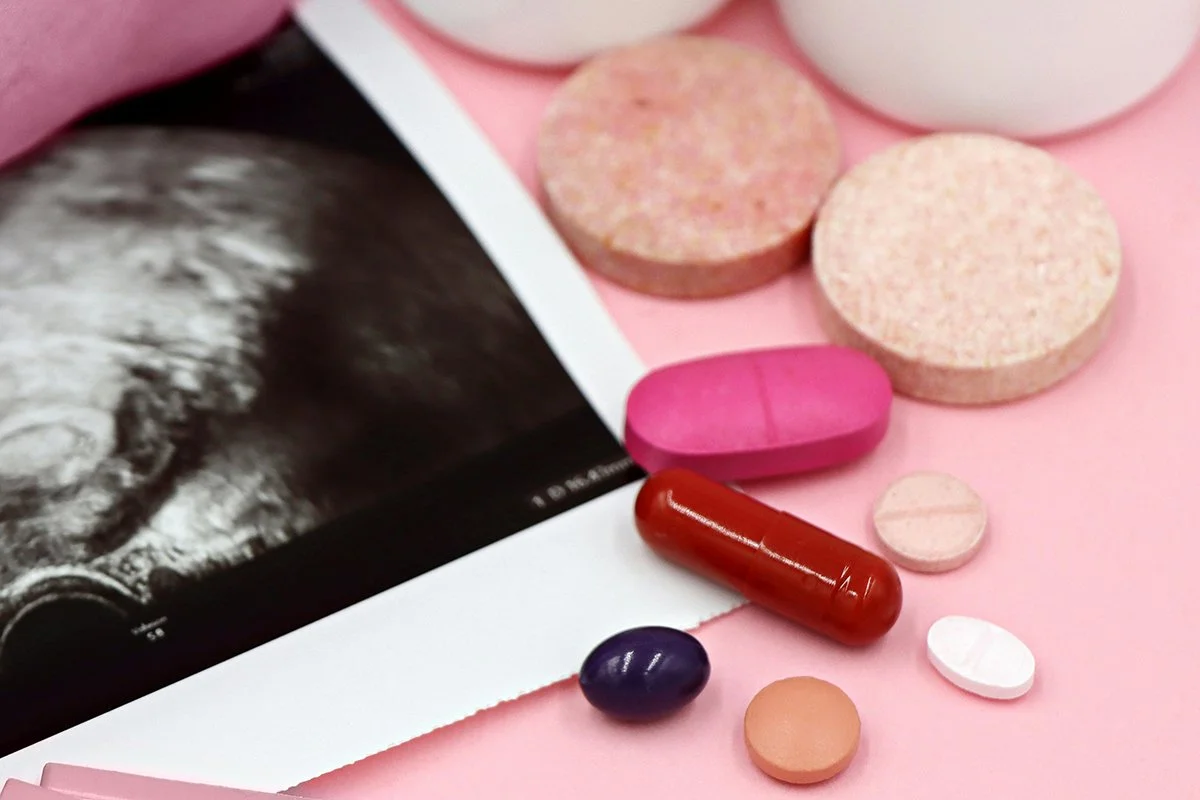
For Women:
Vitamin D
Often called the "sunshine vitamin," Vitamin D is essential for hormonal balance and reproductive health. Studies have shown that women with sufficient Vitamin D levels are more likely to conceive compared to those who are deficient. It also plays a role in embryo implantation and pregnancy maintenance.Sources: Sun exposure, fatty fish, fortified milk, and eggs.
Folate (Vitamin B9)
Folate is crucial not just for preventing birth defects but also for egg quality and cellular health. Women trying to conceive should aim for the active form, methylfolate, which is more easily absorbed by the body.Sources: Leafy greens, lentils, avocados, and fortified cereals.
Vitamin E
Known as the "fertility vitamin," Vitamin E protects eggs from oxidative stress and supports uterine health. It’s also been linked to improved cervical mucus, which is key for sperm mobility.Sources: Nuts, seeds, spinach, and broccoli.
Vitamin C
A powerful antioxidant, Vitamin C helps reduce oxidative stress, improves iron absorption, and may support ovarian health.Sources: Citrus fruits, strawberries, bell peppers, and Brussels sprouts.
Vitamin B6
This vitamin is important for regulating hormones and supporting progesterone levels. Consistent B6 intake can also reduce PMS symptoms, making the menstrual cycle more predictable.Sources: Poultry, bananas, chickpeas, and avocados.

For Men:
Zinc
Zinc is perhaps the most critical mineral for male fertility. It supports testosterone production, sperm count, and motility. A deficiency in zinc has been linked to low testosterone levels and poor sperm quality.Sources: Red meat, shellfish, beans, and pumpkin seeds.
Vitamin C
Just as with women, Vitamin C works as a powerful antioxidant for men. It helps protect sperm from oxidative damage and improves sperm quality.Sources: Oranges, strawberries, kiwi, and tomatoes.
Vitamin E
For men, Vitamin E enhances sperm motility and protects sperm from oxidative stress, increasing the chances of successful fertilization.Sources: Sunflower seeds, almonds, and hazelnuts.
CoQ10
Although technically a coenzyme, CoQ10 functions similarly to a vitamin and plays a significant role in energy production and sperm quality. Studies have shown improved sperm motility and density with CoQ10 supplementation.Sources: Organ meats, fatty fish, spinach, and cauliflower.
Selenium
This trace mineral is crucial for sperm production and motility. Selenium deficiency has been linked to lower sperm quality and male infertility.Sources: Brazil nuts, tuna, eggs, and brown rice.
How to Supplement Safely
While it’s best to get these vitamins from whole foods, sometimes supplementation is necessary to meet optimal levels. If you’re trying to conceive, consider working with a fertility coach or nutritionist to identify gaps in your diet and develop a supplement plan that’s right for you.
At The Fertility Solution, we guide you step by step to optimize your nutrition, hormone balance, and overall health. This is about preparing your body for the most important journey of your life—parenthood.
Want to learn more about how vitamins and lifestyle can boost your fertility?
Book a call with my team today, , and let’s get you closer to your dream.